

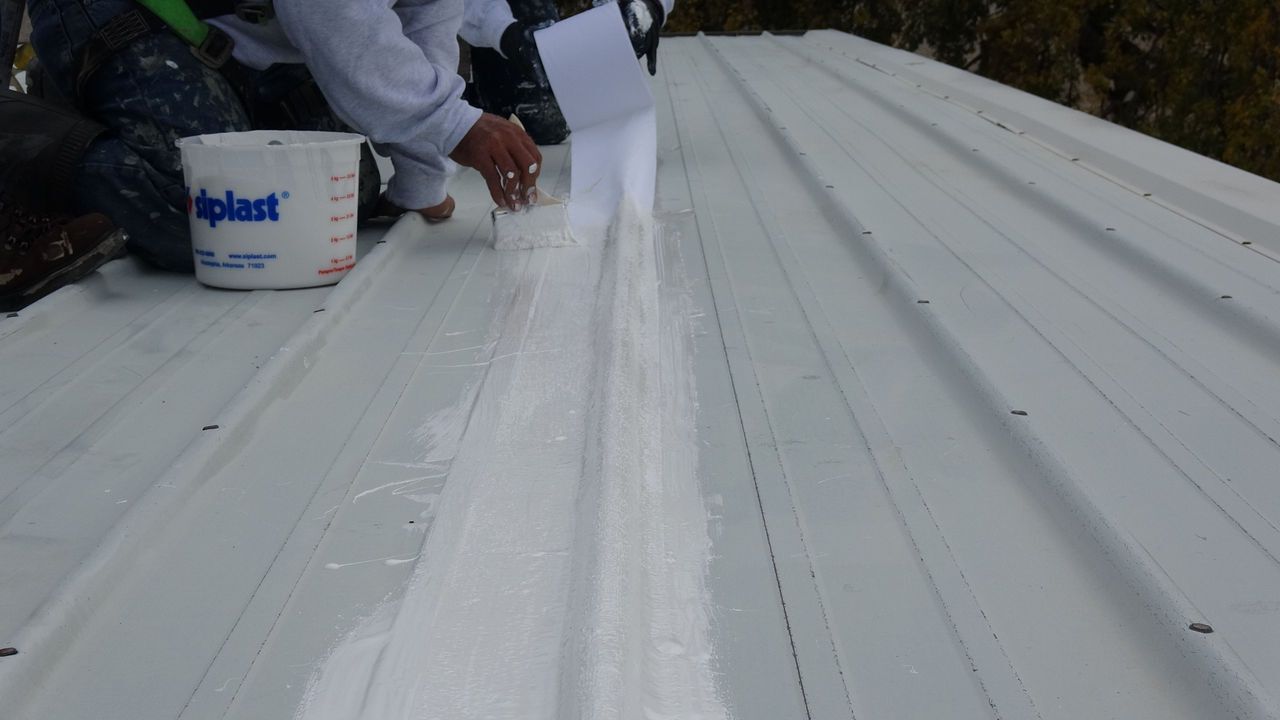
How to Apply Elastomeric Roof Coating for Seamless Protection
Elastomeric roof coating is a liquid-applied, flexible waterproof membrane that can be applied over an existing roof. This type of coating is designed to provide superior weather resistance, offering protection against ultraviolet rays, extreme temperatures, and moisture.
When applied correctly, elastomeric roof coatings create a seamless, flexible roof layer that can help extend a roof's lifespan, minimize energy costs by reflecting sunlight, and prevent leaks and water damage. However, proper application is important to maximize these benefits. Here's how to apply elastomeric roof coating for the best results.
Compatible Surfaces for Elastomeric Coatings
Elastomeric roof coatings are versatile and can be applied to a variety of roofing materials, such as:
Metal: Elastomeric coatings protect against rust and corrosion, which is particularly useful for galvanized steel or aluminum roofs.
Single-ply: Single-ply roofs can be coated with elastomeric products designed for flexible surfaces to restore older or weathered roofs.
Modified bitumen: Modified bitumen's smooth surface allows for excellent adhesion.
Built-up roofing (BUR): Elastomeric coatings are ideal for protecting BUR systems from harsh weather conditions.
Concrete: Concrete roofs are well-suited for elastomeric coatings due to their inherent durability and ability to develop a strong bond with the coating.
By selecting the right elastomeric coating and following proper preparation techniques, all roof types can benefit from increased longevity, weather resistance, and energy efficiency.
Preparing the Roof Surface
Surface preparation is the most important step when applying elastomeric roof coatings. Without a clean, smooth, and properly repaired surface, the coating may not adhere effectively and can lead to premature failure, leaks, and other problems.
Before applying any coating, the roof must be thoroughly cleaned. Removing dirt, debris, mold, mildew, and any loose or deteriorating coatings is essential for optimal adhesion.
Cleaning
Following these steps can help pave the way for a successful application:
Remove large debris: Sweep or use a leaf blower to remove loose leaves, branches, or other debris.
Wash the roof surface: Power washing is recommended for most roofs to remove dirt, grime, algae, or mold. For delicate surfaces, use a low-pressure setting.
Scrub stubborn stains: Use a scrub brush and solution to remove any remaining dirt, mildew, or other contaminants.
Dry the surface: Allow the roof to dry completely before applying any primer or coating.
Inspection and Repair
Once the roof surface is clean, it should be inspected for any cracks, blisters, punctures, or other signs of damage. Addressing these issues before applying the coating is essential to help ensure a smooth and effective finish. Any cracks or holes should be filled with a compatible roofing sealant or patching compound. If the roof has blisters or raised areas, the affected section should be carefully cut and removed and then patched up as necessary.
Always take necessary safety precautions during the cleaning and repair process. Ensure that the roof is dry before walking on it to help prevent slipping, and use a sturdy ladder and harness for extra security when working on elevated surfaces.
Priming the Roof: Primer Selection and Application
Primer plays a vital role in ensuring the elastomeric coating adheres properly to the roof substrate. Primer promotes adhesion, reduces the absorption of the coating by porous surfaces, and improves the overall performance of the roofing system. The right type of primer will depend on the roofing material and specific elastomeric coating being used.
Common primers include:
Acrylic primers: Suitable for concrete, modified bitumen, and BUR systems.
Metal primers: Used for metal roofs to improve adhesion and help prevent rust.
Rubber primers: Specifically designed for synthetic roofing materials, like ethylene propylene diene monomer.
Single-ply primers: Designed to provide adhesion and bonding strength to single-ply roof systems.
Use a brush or roller to apply the primer evenly over the surface. For larger areas, a sprayer can also be used. Allow the primer to dry according to the manufacturer's instructions before proceeding with the elastomeric coating. Most primers typically dry within one to two hours, but confirm this with the product's instructions.
How to Apply Elastomeric Roof Coating
Once the roof is cleaned, repaired, and primed, it's time to apply the elastomeric roof coating.
Application Methods
Elastomeric roof coatings can be applied using three primary methods: brush, roller, or spray. The best method depends on the type of roof, the surface texture, and the size of the area being covered.
1. Brush Application
Best for small areas or touch-ups.
Technique: Use a high-quality, long-bristled brush to apply the coating evenly, ensuring that all surface details are covered. Work in small sections to ensure the coating doesn't dry out before being properly spread.
2. Roller Application
Best for larger flat surfaces.
Technique: Use a heavy-duty roller with a long nap (three-quarters of an inch or more) for maximum coverage. Roll the coating evenly, working in a crisscross pattern to avoid roller marks and ensure an even coat. Be careful, as elastomeric coatings can dry fast. Roll sections systematically to maintain a wet edge.
3. Spray Application
Best for large, smooth roofs.
Technique: Use an airless sprayer for smooth, even coverage. Maintain a consistent distance from the surface and apply in overlapping passes to ensure a uniform layer. Spray at a 45-degree angle to avoid overspray.
Number of Coats and Drying Time
For optimal performance, elastomeric roof coatings are typically applied in two coats. The first coat creates the base layer of protection, while the second coat reinforces the coverage and ensures a seamless, uniform finish. Apply the second coat after the first one is fully dry to avoid trapping moisture between layers. Always follow the manufacturer's guidelines and instructions for the specific elastomeric coating product. These guidelines will provide essential information on application techniques, drying times, and environmental conditions that affect the coating's performance.
Post-Application Inspection and Maintenance
Inspecting the Coating
After the elastomeric coating has cured, perform a thorough coating inspection:
Coverage: Check that the surface is evenly covered with no missed spots.
Adhesion: Ensure the coating has adhered securely and there are no signs of peeling or lifting.
Defects: Look for common issues, such as drips, runs, pinholes, or air bubbles.
Ongoing Maintenance
Regularly inspect the roof every six to 12 months to ensure the elastomeric coating is performing as expected. Maintain cleanliness by removing debris and checking for signs of damage or wear.
Troubleshooting Common Application Problems
Blistering
Blistering is often caused by poor surface preparation or excessive moisture. Ensure the surface is clean and dry before applying the coating.
Cracking
Cracking may occur if the coating is applied too thinly or under extreme weather conditions. Ensure proper curing and application of the recommended number of coats.
Peeling
Peeling can result from improper adhesion due to insufficient surface preparation or incompatible primers. Reapply a suitable primer and elastomeric coating for better adhesion.
Safety Precautions
In addition to following safety guidelines provided by the product manufacturer, always wear the appropriate safety gear during the application of elastomeric roof coatings, including:
Gloves to protect hands from chemicals and harsh materials.
Goggles to shield eyes from splashes and debris.
Respirators if necessary, particularly when spraying or working with strong-smelling coatings.
Proper footwear to prevent slipping on wet or uneven surfaces.
Safe, Efficient, and Durable Application
Elastomeric roof coatings can dramatically extend a roof's life while providing superior weather protection and energy efficiency. Even when faced with a challenging application circumstance or difficult roofing material, high-performance options—such as Siplast Paraflex Liquid Roof Membrane, a liquid-applied material using silane-terminated polymer technology—are available to ensure the proper coating can be applied to protect the roof and extend its lifespan. However, achieving optimal results requires careful surface preparation, proper application techniques, and regular maintenance.
The key to success is in the details. Thorough cleaning, proper priming, and following manufacturer instructions can help avoid common mistakes and achieve a long-lasting, durable coating, while adhering to safety precautions and using the right equipment can help ensure a safe and efficient application process.
