

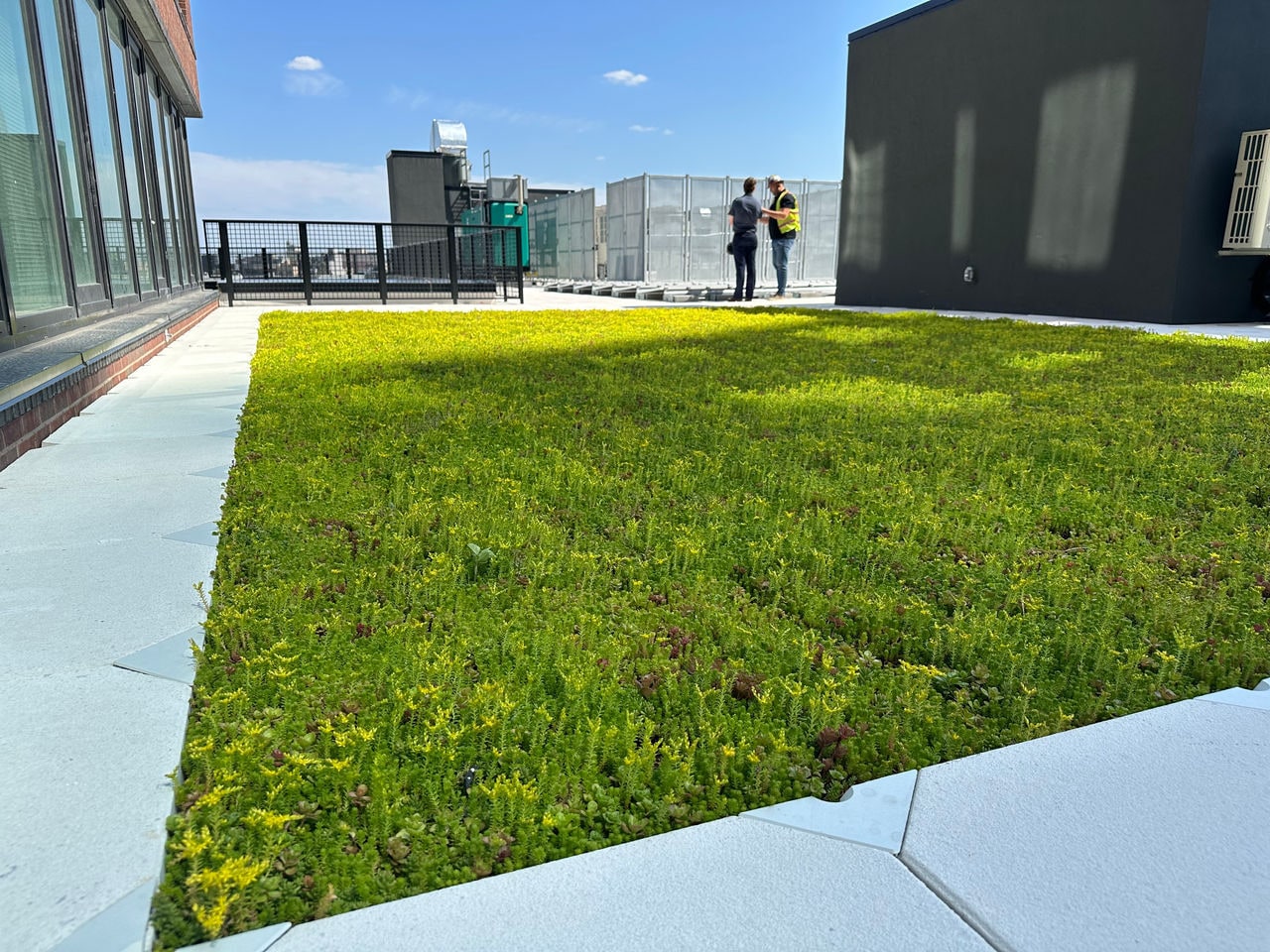
In commercial building design, the roof is often considered just another building component. However, roofing systems can have a significant effect on a building, serving as a critical element in its longevity, energy efficiency, and overall operational cost. To make informed, impactful decisions, architects and building consultants must be able to recognize the importance of roof design in life cycle cost analysis (LCCA).
LCCA provides a framework for assessing the total cost of building ownership over the structure's entire life cycle, from initial construction to operation, maintenance, and repair costs. As an essential component of any building, the roof can have a major impact on this assessment. Here's how thoughtful roof design can contribute to lower costs over a building's lifespan.
Understanding Roof Design in Life Cycle Cost Analysis
To some, roof design might be considered an upfront decision and investment that's one and done. However, LCCA emphasizes the importance of looking beyond the initial cost of installation to understand annual operational costs and the long-term economic impact of roofing decisions. To that end, a well-designed roof can yield substantial savings in terms of energy efficiency and reduced maintenance, repairs, and replacements—all while providing better performance during its service life.
Key Influential Design Factors of a Roofing System
By considering factors, such as water management, insulation, and wind resistance, during the design phase, architects and building consultants can provide durable, long-lasting, high-performing roofs that help contribute to cost-effective decisions that positively impact LCCA.
1. Roof Slope and Drainage Systems: Minimizing Structural Damage and Maintenance Costs
One of the functions of a roof is to drain water and act as weatherproofing for the building. Effective water management is essential to help increase the lifespan of a roof and prevent repairs or reroofing. Roof slope and drainage are primary elements that influence water management. Improper slope and drainage can have significant negative implications for the roof's performance and its long-term maintenance costs. For example, a roof with inadequate drainage can lead to ponding water, which may lead to leaks, and if left uncorrected, possible biological growth and potential structural damage. These can certainly increase the building's maintenance and repair costs and overall longevity.
Proper roof slope helps ensure rainwater and snowmelt are quickly directed to drainage locations, reducing the risk of water accumulation. Low-slope roofs, commonly used in commercial and industrial buildings, can be prone to ponding water if not properly designed and installed with the correct slope. Per the International Building Code, a roof slope of a minimum of one quarter inch per foot is required by the IBC to facilitate drainage in order to minimize or prevent ponding on the roof surface.
Two of the most common ways to provide proper slope are to either slope the structural members that support the roof deck or use tapered insulation on a horizontal (flat) roof deck. From a design perspective, sloped structural members tend to be more effective than tapered insulation for water drainage since they're a permanent part of the building and provide slope drainage for the roof for its entire life. Not needing tapered insulation is a cost savings to the building owner for every roof system installed on the building. Depending on the extent of the slope of the structural members, a lower risk of ponding water can be designed into the building.
Along with proper slope, the roof's drainage system must be carefully designed to handle rainwater from extreme events and large quantities of snowmelt. Internal drains, scuppers, and gutters and downspouts should be designed and installed according to the International Plumbing Code to carry water off the roof. When properly designed and installed, these systems can minimize the risk of ponding water and potential damage, helping extend the roof's lifespan and reduce maintenance needs.
2. Thermal Performance and Energy Efficiency: Enhancing Insulation and Lowering Operational Costs
A roof's thermal performance can play a big role in a building's overall energy efficiency, especially on large footprint, low-rise buildings. The roof can be one of the most significant contributors to heat loss in colder months and heat gain in warmer months. By optimizing insulation design and installation, as well as selecting appropriate roofing materials, building consultants can help reduce heating and cooling costs for their clients (i.e., building owners), which can improve LCCA.
A roof's insulation effectiveness is measured by its R-value, which indicates its ability to resist heat transfer. Because a well-insulated roof can reduce the need for heating and cooling, designing the roof and insulation layer to maximize in-service R-value is important in commercial and industrial buildings, where energy consumption can account for a large portion of operating costs. The International Energy Conservation Code provides specific requirements for roof system R-value based on different climate zones. The IECC requires a minimum of two layers of insulation, as well as staggering and offsetting insulation board joints. Multiple layers of insulation and staggering board joints is the start to an effective design of the thermal insulation layer.
Additionally, fastener placement plays a crucial role in thermal performance. According to modeling and research, as stated in this paper from Siplast, metal fasteners and plates create thermal bridges that bypass the thermal insulation and create points of increased heat flow. Hence, the type of attachment method, fastener pattern, and the location of fasteners are important factors to address in the design phase for effective thermal resistance. A higher effective R-value for a roofing system can help reduce annual energy use for both cooling and heating, therefore, benefiting an effective LCCA.
3. Wind Uplift Resistance and Durability: Reducing Repair Costs and Extending Roof Life
In most regions of the country, high winds are a concern, especially as extreme weather conditions continue to increase in severity and frequency. To that point, wind uplift resistance of roof systems is a critical consideration during roof design. Strong winds can cause a roof to fail, often due to detachment at the edges. This likely means the building will suffer significant damage, which can lead to expensive repairs or replacement of the roof, as well as possible water damage to the interior of the building.
Wind-resistant roofing systems are designed to withstand the pressures acting on the roof from wind events.. Well-designed wind-resistant roof systems can help ensure they stay intact during extreme weather events. The roof's geometry, height, and exposure are some of the factors that influence wind design. Roofing assemblies are tested to determine their resistance and are required to be stronger than the wind loads acting on the roof.
The most common roof failures occur at the perimeter and corners of the roof. The best strategy to avoid wind uplift is to provide roof edge systems that are robust and well attached to the building's structure. Parapets are also beneficial to wind resistance, and can help redirect the wind, reducing its effect on the roof.
A key element for roof system durability is a coverboard. Coverboards can help prevent damage to the roofing membrane from impacts, such as hail and foot traffic. Coverboards come in many material types and can add to the insulating value of the roof system. Coverboards provide a durable substrate under the roofing membrane which can lead to longevity of the roofing system.
Roof systems that have appropriate wind resistance, well-designed edge metal systems, and coverboards to help provide impact resistance can lead to durable, long-lasting roof systems. These types of roof can have a positive benefit on the life cycle cost analysis of a roofing system.
Roof Design as a Key Element of LCCA
Roof design can play an integral role, and a beneficial role, in the life cycle cost analysis of a commercial building. By carefully considering factors such as roof slope, drainage systems, thermal performance, wind resistance, and durability, architects and consultants can design roofing systems that provide significant long-term cost savings. These decisions can lead to reduced maintenance costs, extended service life, and improved energy efficiency.
Remember, the roof isn't just a cover for the building; it's a crucial system that influences the building's LCCA. Involving a roofing contractor in the design phase to provide expertise on materials, potential challenges, and local climate considerations is highly recommended to help ensure the most effective roofing design. Reach out to a Siplast representative in your area today.
