

The Benefits of SFT Adhesive and Cement in Commercial Roofing
In commercial roofing design and construction, material selection is not only about performance and durability. Indoor air quality, sustainability, and jobsite safety are of equal importance. Specifying and using solvent-free SFT adhesive and cement products, specially developed for SBS-modified bitumen roof installations, can contribute to all of these goals.
The rise of SFT technology convincingly demonstrates that ongoing product research and development continues to meet the demand for environmentally responsible and high-performing roofing materials. Let's explore how and why.
The Problem with Traditional Adhesives
While traditional solvent-based adhesives have long been the roofing industry standard for their effective bonding power and capability for installation in colder temperatures, they can present certain health and safety-related challenges. Among them are the emission of high levels of volatile organic compounds (VOCs), which can have a negative effect on indoor air quality and, subsequently, the health of building occupants.
Additional concerns include the strong odor and flammability of solvent-based adhesives, which can lead to the necessity for enhanced ventilation and fire safety protocols that can cause construction delays and increased use of PPE during construction. For example, a restaurant reroofing project that uses solvent-based adhesive might need to schedule construction only when the restaurant is closed, since fumes from the adhesive application could enter rooftop exhaust vents and negatively affect both staff and customers. To protect the construction crew that handles solvent-based adhesives, it might be necessary to provide respirator masks or other, more advanced PPE.
Water-based adhesives—a more "green" alternative that's lower in VOCs than solvent-based products—have their own set of problems. In humid environments and on projects where roofing substrates may need extra time to dry, water-based adhesives can be susceptible to curing issues. Prolonged drying times not only affect schedules, but the possibility of moisture entrapment can compromise membrane adhesion, increasing the risk of blistering and delamination. A project utilizing water-based adhesives in a warm, humid climate runs the risk of roofing membranes coming loose, leading to not only costly rework efforts and scheduling disruptions but also the possibility of product warranty complications.
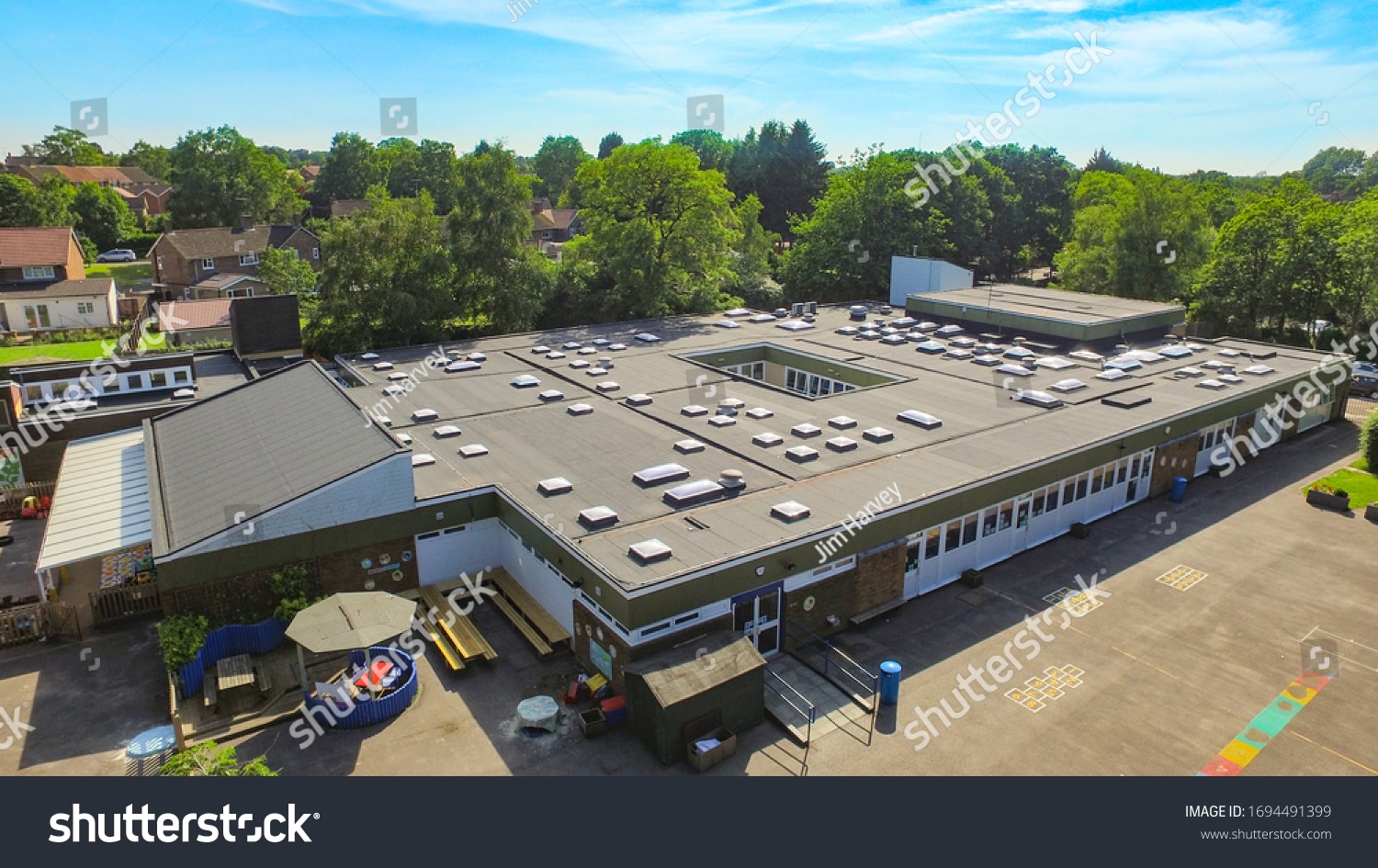
While solvent-based adhesives are still widely used in many applications, the range of concerns can make them unsuitable for restaurants, healthcare facilities, data centers, and institutional projects, like schools and government buildings. In these situations, occupants are more likely to be affected by VOCs and strong odors, resulting in complaints and schedule disruptions. This is of particular concern with projects involving reroofing or additions to existing occupied buildings. In addition, many institutional projects have sustainability goals, which make the use of solvent-based adhesives a non-starter. In those cases, low-VOC solvent-free products are the logical solution.
Advantages of Solvent-Free Adhesives and Cement
Siplast SFT Adhesive and Cement represent a significant development in the roofing industry, since their chemical properties make them ideal for use on modified bitumen roofing projects where solvent-based or water-based adhesives are problematic.
Siplast SFT products meet stringent environmental and health regulations and, in many cases, outperform solvent-based adhesives in terms of application and long-term durability. By successfully integrating environmental goals with superior performance, Siplast SFT products offer the following key advantages:
Faster Curing
Unlike solvent-based asphaltic cutback products, Siplast SFT products are engineered to be moisture-curing, taking advantage of ambient moisture to cure rapidly with consistent results in a variety of conditions. Moisture curing has the added advantage of reducing the formation of moisture channels or entrapping latent humidity, which can increase the risk of blistering under roofing membranes and flashing.
Healthier Environments
Because it is solvent-free and asphalt-free, Siplast SFT Adhesive avoids the negative characteristics of petroleum-derived products, dramatically reducing onsite odor. It also eliminates exposure to harmful isocyanurates, which are prone to bubbling during the installation of roof membranes. Its low-odor and low-VOC characteristics improve indoor air quality for building occupants and make the work environment safer for roofing construction crews.
In the case of institutional buildings, healthcare facilities, and environmentally sensitive and actively occupied spaces in general, the use of SFT products, because of the elimination of odor issues prevalent with solvent-based products, allows for construction to proceed without costly interruptions due to compromised air quality and occupant comfort.
Meeting Environmental Standards
Because Siplast SFT products are devoid of the environmental drawbacks of petroleum-derived products, they meet the strict requirements of ASTM D2369, EPA Method 24, OSHA worksite health requirements, and California Proposition 65. In addition, none of the chemical components of Siplast SFT Cement or Adhesive are considered hazardous waste under the Resource Conservation and Recovery Act 40 CFR261.
By complying with low VOC standards, solvent-free adhesives and cement can also contribute to earning LEED v4.1 credits for low-emitting materials while reducing dependence on petroleum-based materials.
Design and Construction Flexibility
With Siplast SFT products, there are fewer problematic issues that could adversely affect construction scheduling. Cure times are faster and more predictable, and they perform well in warm, humid weather; therefore, they can be used in a broader range of climate conditions than their solvent-based counterparts. They're also not flammable, so transport, storage, and jobsite safety protocols are simplified.
In addition, SFT Adhesive is a single-component product, so there's no measuring and mixing involved. Available in pails, it's suitable for both ribbon and full-surface applications, accommodating different installation needs on a variety of substrates. For example, by employing a manufacturer-recommended ribbon application of Siplast SFT Adhesive for a vapor retarder installed on a new concrete deck, the typical cure time is reduced from 30 days to only 14 days. This is possible because the ribbon application provides adequate air space for the concrete to finish curing after the membrane is installed.
The low odor and low-VOC qualities of Siplast SFT products are particularly advantageous in active, occupied spaces where air quality and comfort are the highest priority. They allow roofing work to continue without disrupting the building occupants and interrupting schedules. On projects like schools and healthcare facilities, this can be critical when tight construction timelines are often the norm.
With Siplast SFT Adhesive and Cement, specifiers and roofing professionals have access to solvent-free adhesive alternatives for roofing membranes and flashing that meet current environmental and performance standards, create a safer jobsite, and support the comfort and health of building occupants. Visit the Siplast website to find more information and resources for design professionals, commercial roofing contractors, and building owners.