

Siplast developed styrene butadiene styrene (SBS) roofing systems in conjunction with Shell Chemical of Europe in the 1960s. Since then, SBS roofing systems have been favored for flat or low-sloped asphalt-based roofs on commercial and industrial buildings worldwide.
Savvy building owners and developers recognize that making the initial investment to install Siplast high-performing roofing systems, like Paradiene® 20/30 SBS-Modified Bitumen, can deliver immediate, measurable benefits that also pay dividends over the long run.
Key Differentiators of SBS Roofing Systems
Siplast roofing systems stand apart in six defining characteristics: white granule surfacing, an eco-active mineral blend, polymethyl methacrylate (PMMA) flashings, tolerance to cyclic fatigue as a two-ply membrane, ultimate elongation, and a high-quality asphalt blend.
White Granule Surfacing
Unlike black or dark-colored roofing materials, which absorb heat, white granule surfacing reflects sunlight, which protects the membrane layer of the roof, while providing an appealing aesthetic. When combined with a high-quality thermal insulation layer, Siplast white granule surfacing can provide long-term energy savings.
Adding air barriers at the roof deck with white granule surfacing can provide enhanced air circulation and coordinate with air thermal control layers tied to walls.
Eco-Activ Mineral Blend
Nitrogen oxides (NOx) facilitate the formation of low-level ozone and increase the greenhouse effect in the atmosphere. To avoid these harmful effects, Siplast Eco-Activ® Noxite® granules are based on titanium dioxide (TiO2) in its anatase form, which renders Noxite® as a photocatalyst.
A Siplast Eco-Activ® Roof Membrane surfaced with Noxite® granules behaves as a photovoltaic cell, so when sunlight hits the roof surface, the NOx molecules are rendered harmless, allowing them to be carried away by rainwater.
PMMA Flashings
PMMA is a transparent, rigid synthetic resin resulting from the polymerization of methyl methacrylate. Siplast PMMA Flashing Resins combine individually catalyzed Parapro® Flashing Resin and Parapro® Roof Membrane Resin with polyester fleece to create a singular, reinforced waterproofing flashing membrane or roof membrane system.
The application of PMMA flashing improves waterproofing continuity at potentially vulnerable points, such as vents, thereby reducing long-term risk.
Cyclic Fatigue as a Two-Ply Membrane
Siplast roofing materials comprise lightweight, two-ply, highly flexible membrane systems designed to withstand cyclic fatigue factors, such as severe solar load, ultraviolet rays, thermal shocks, and extreme low temperatures. The base ply absorbs roof stresses, while the granule-surfaced top ply shields the base from the elements and mechanical abuse.
Siplast durability means fewer repairs and easier fixes when needed.
Ultimate Elongation
Fractures in a roofing system can lead to catastrophic consequences. Siplast sheeting materials, with their elastomeric blend of asphalt and SBS, embody ultimate elongation ratings, resulting in greater total elongation to fracture properties than comparable products from competitors.
High-Quality Asphalt Blend
With its proprietary combination of asphalt and SBS, Siplast modified bitumen sheets comprise a high-quality asphalt blend designed to withstand wide temperature variations. Siplast employs a unique manufacturing process that combines premium bitumen with optimized polymer levels to produce a premium foundation with exceptional weather resistance, flexibility, and longevity.
Benefits of SBS Roofing Systems
Siplast roofing systems deliver durability, sustainability, and reduced lifecycle costs. Here's a closer look at these benefits, with a focus on business outcomes and the bottom line.
Extended Service Life
The multi-ply design behind Siplast roofing systems provides built-in redundancy, which translates to less potential damage from leaks, thermal damage, or fatigue and a longer useful life. Siplast stands behind its roofing systems with guarantee terms ranging from 10 to 30 years, depending on the selected assembly method.
Reduced Annual Energy Use
Heating and cooling systems work hard to maintain comfortable indoor temperature levels. Siplast SBS multi-ply roofing systems minimize air leakage and thermal transfer, which can reduce the workload for HVAC systems and, ultimately, cut energy consumption and utility costs.
Less Maintenance and Fewer Repairs
Siplast SBS-modified bitumen membranes are designed to withstand mechanical stress, heavy equipment, frequent foot traffic, or exposure to extreme weather. If and when damage does occur, repairs are easily executed through heat welding, cold adhesives, or self-adhered patching methods, minimizing disruptions and maintenance costs.
More Predictable Total Cost of Ownership
While it's natural to strive to reduce installation costs, the value in commercial roofing is defined by the total cost of ownership. Thanks to a long service life, minimal maintenance requirements, and ease of repair, Siplast roofing systems can deliver more predictable total ownership costs, potentially offsetting the marginally higher upfront costs and optimizing the return on investment.
Real-World SBS Roofing Systems Applications
Siplast SBS roofing systems can be found in commercial, educational, and residential settings across the United States and beyond. Three projects in California, Florida, and Vancouver demonstrate the versatility, functionality, and durability of Siplast Paradiene® roofing systems.
Franklin Bay Meadows
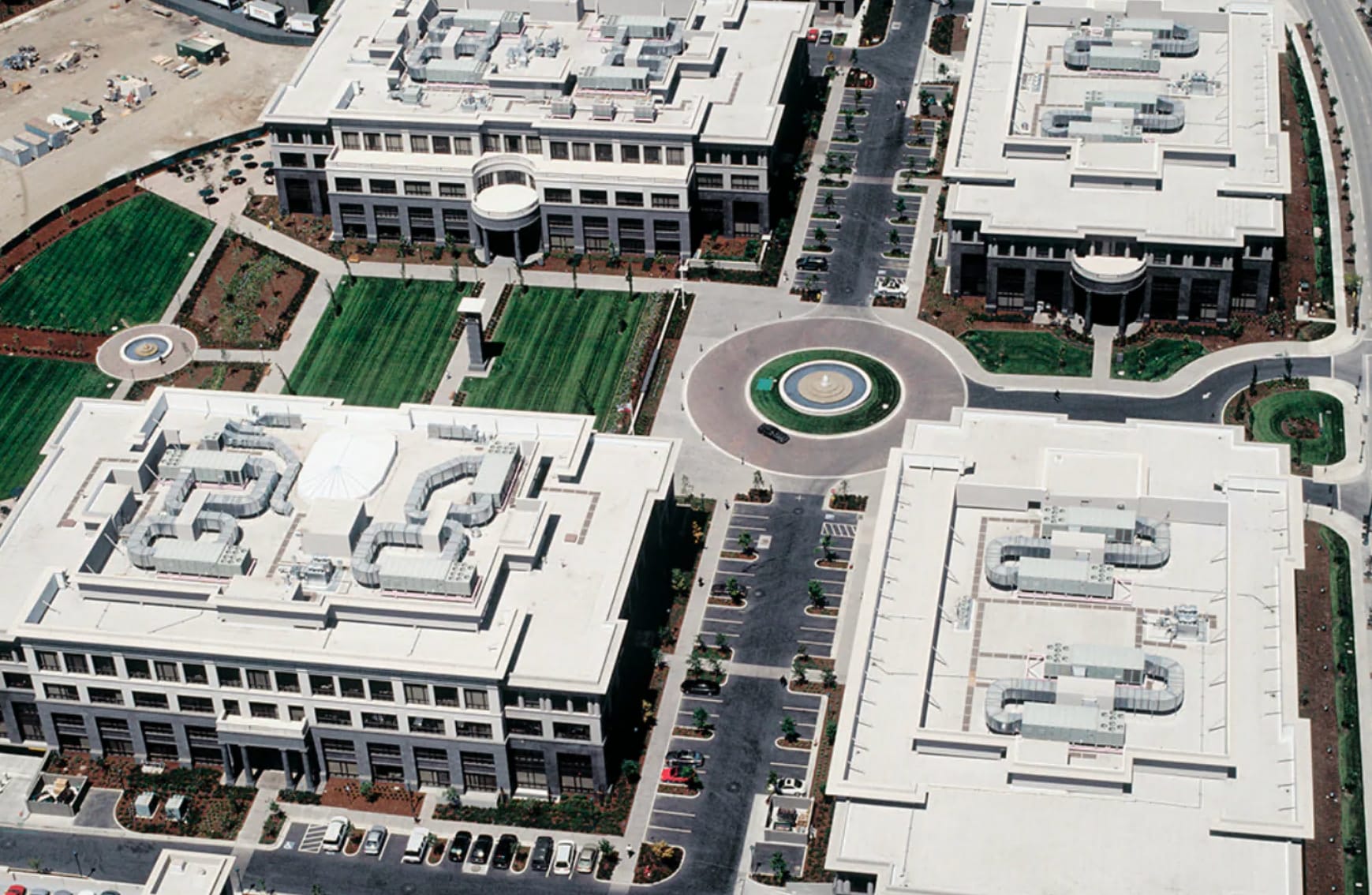
For its flagship Franklin Bay Meadows corporate campus located in San Mateo, California, Franklin Templeton Investments recognized the value of investing in a high-performance roofing system for its new construction. The company turned to Siplast for a single-source solution for the entire roofing system, ensuring seamless integration, materials compatibility, and guaranty coverage of all components, along with long-term reliability.
For this project, Siplast utilized a Paradiene® 20/30 SBS-Modified Bitumen System, which provided multi-layer redundancy and dependable long-term durability. A ZIC Lightweight Insulating (LWIC) Concrete System was used to provide exceptional moisture resistance, high compressive strength, and an ASTM E119 fire resistance rating. The potential reusability of the insulation allows the possibility for reroofing the deck in the future, potentially translating to lower labor costs and generating less solid waste than a total new roof installation.
Florida State University Student Union
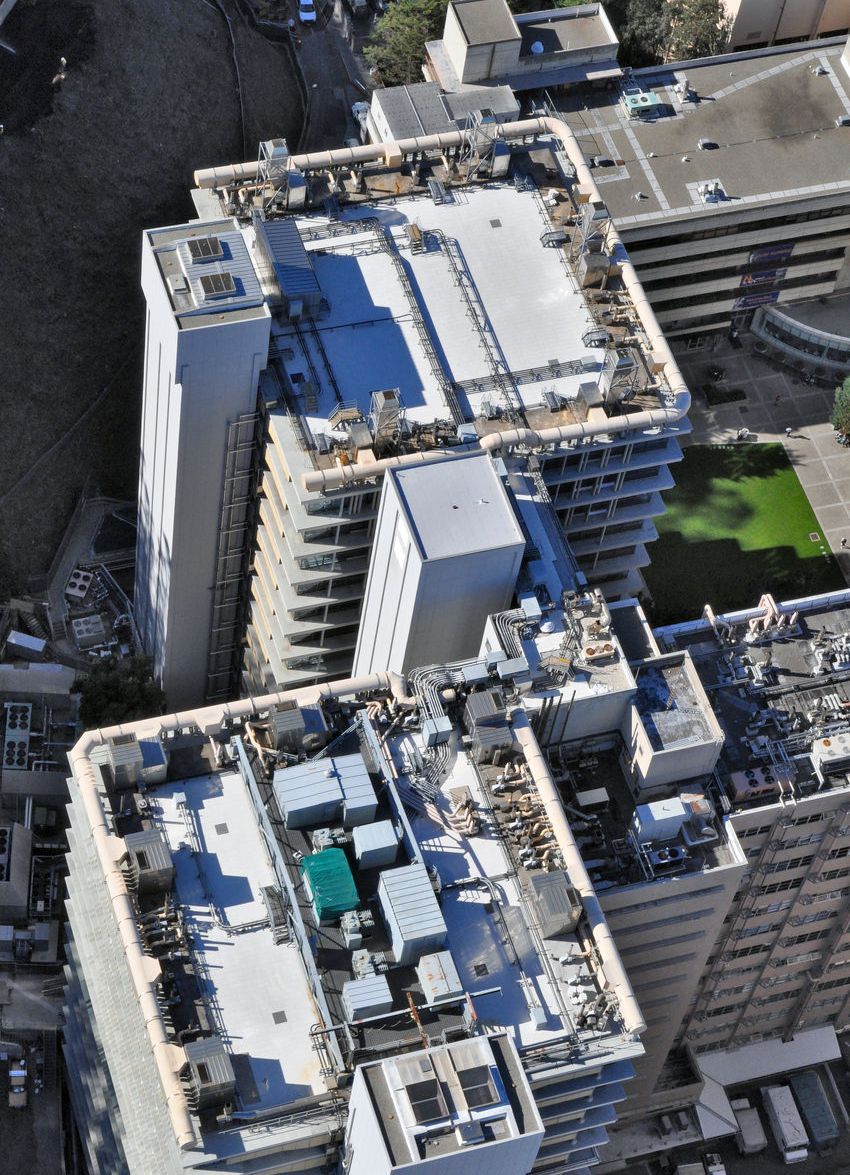
The Student Union on the campus of Florida State University in Tallahassee serves multiple functions for students, faculty, and visitors alike. Along with housing offices for Student Government, Greek Life, and Union Administration, in addition to study lounges, the campus bookstore, and various dining options, the facility includes a bowling and billiards center and outdoor activity areas. The original complex comprised three buildings connected by breezeways.
By 2018, the demands of a growing student body and ordinary wear and tear of the aging clay tiles on the facility's flat roofs necessitated, at minimum, extensive repairs. The university instead opted for a complete rebuild to create a larger, more functional space and tasked Siplast as the single-source contractor for a vegetated roofing system for the new facility.
Along with locally sourced vegetation, an expanded rooftop terrace, and pedestal pavers, Siplast installed multiple high-performance Paradiene® SBS-modified roofing system components, which provided severe weather and UV resistance for exceptional durability and long-term performance.
Jubilee House
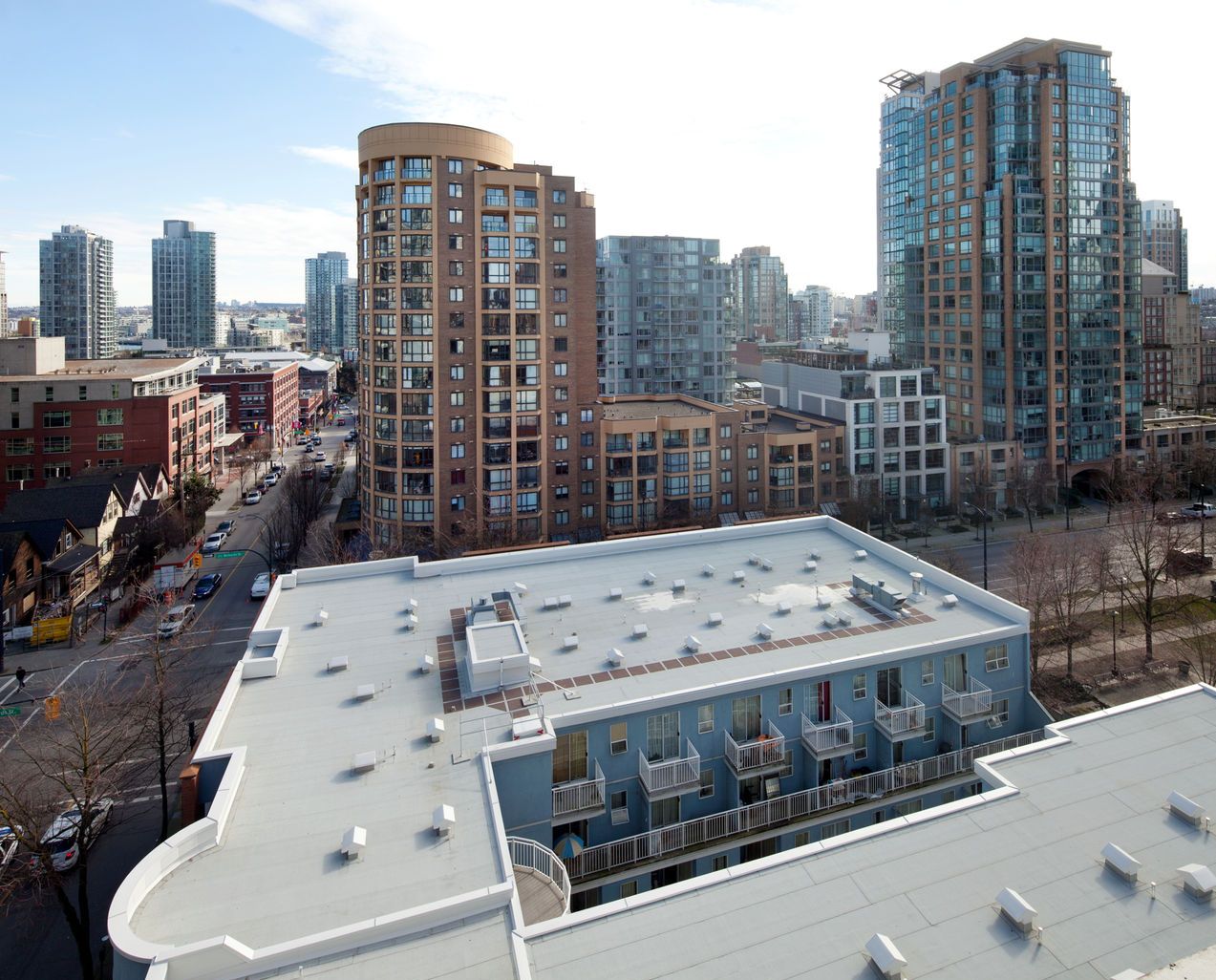
As a social housing complex located in downtown Vancouver, Canada, Jubilee House provides essential housing and related resources to its under-resourced tenants. But in 2010, at 25 years old, the facility urgently needed a new roof.
At the same time, disruptions to the daily life of its occupants needed to be minimized. Additionally, the project team requested a roofing solution that incorporated materials and construction procedures that reflected Vancouver's commitment to environmental goals, particularly around enhancing air quality in each of its communities.
Siplast responded to the multi-faceted challenge by installing a high-performance SBS-modified bitumen roofing system. The two-ply installation featured a Paradiene® 20 base ply and Parafor® 30 finish ply, which provided long-term performance and exceptional durability. Surfacing the cap sheet with Eco-Activ® Noxite® granules worked to neutralize harmful nitrogen oxides in the atmosphere while improving local air quality by breaking down pollutants. Utilizing torch-grade materials avoided hot asphalt fumes, which reduced disruption to tenants during installation.
SBS Roofing Systems: Built to Last
Siplast SBS multi-ply roofing systems are built for long-hold, mission-critical assets. This is largely thanks to the utilization of white granule surfacing with an Eco-Activ® mineral blend, PMMA flashing, tolerance to cyclic fatigue as a two-ply membrane, ultimate elongation, and a high-quality asphalt blend.
Siplast roofing systems stand apart by providing building owners and developers with an extended service life, reduced energy usage, lower maintenance costs, and fewer repairs, resulting in a more predictable total cost of ownership.
To learn more about Siplast SBS multi-ply roofing systems and the benefits for commercial, educational, and residential projects, check out Siplast SBS-Modified Bitumen Systems solutions, and discover why Siplast roofing systems truly make dollars and cents.