

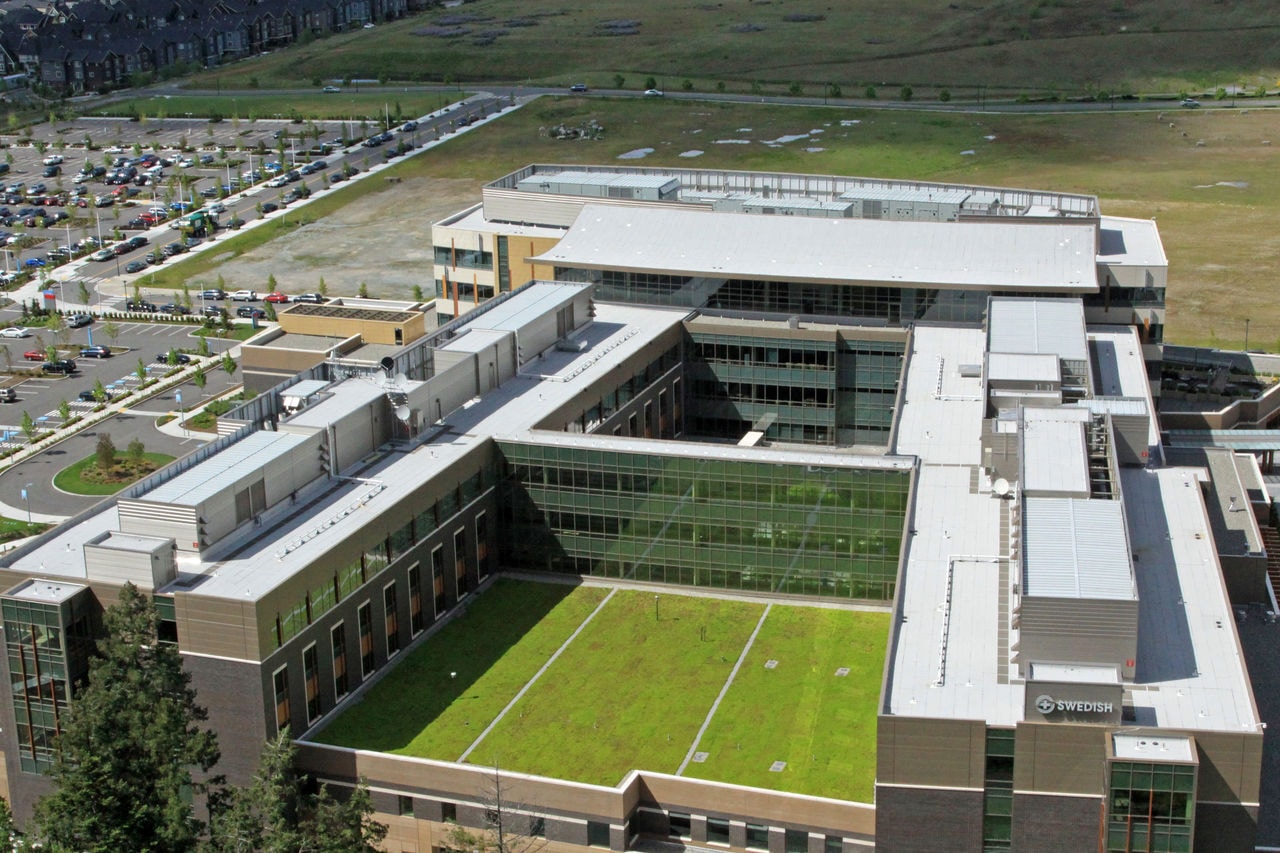
Sustainable Roofing Materials and LCCA
In commercial building design and maintenance, the choice of roofing materials plays a pivotal role in the financial, functional, and environmental outcomes of a project and its life cycle. Understanding how sustainable roofing materials can lead to significant long-term cost savings while meeting increasingly stringent environmental and performance goals can help commercial building consultants, owners, and architects make informed, strategic decisions.
The Link Between Sustainability and Life-Cycle Costs
Sustainable products, including roofing materials, are not just a trend in the architecture, engineering, and construction industry; these materials represent a fundamental shift toward more resilient, responsible, and cost-effective building practices.
By choosing durable materials, building owners can significantly reduce the frequency and cost of roof replacements. This extended utilization also keeps existing materials in use, which reduces the demand for raw materials and directly minimizes the environmental impact associated with the installation, removal, and disposal of roofing materials.
What Is Sustainability in Roofing?
Sustainable roofing materials are defined by their materiality and ability to endure over long periods, thereby reducing the need for frequent replacements. These materials are designed to withstand harsh weather conditions, resist wear and tear, and maintain their integrity over time.
Additionally, sustainable roofing often incorporates energy-efficient designs and proper insulation, which help reduce a building's overall resource consumption. This means lower energy bills and a smaller carbon footprint. And since roofing materials can stay in use for longer, sustainable roofing also helps minimize the impact on the environment, allowing natural systems to regenerate between raw material harvesting periods.
Benefits of Sustainable Roofing Materials
The benefits of sustainable roofing materials extend beyond their durability. Here are some of their key advantages.
Energy Efficiency
Reflective roofing systems help maintain thermal comfort in a building when outdoor temperatures rise. Utilizing systems with high Solar Reflectance Index (SRI) values, such as Siplast Parasolo TPX, can significantly reduce the need for interior space conditioning.
According to the National Renewable Energy Laboratory, reflective roofing materials can lead to substantial energy savings by reducing cooling loads.
Extended Lifespan
High-quality, durable materials can last significantly longer than traditional options, allowing owners to get more from their original capital investments. A comprehensive review by the EPDM Roofing Association highlights that sustainable roofing systems designed with long-term performance in mind can extend the service life of a roof, reducing the frequency of replacements.
Reduced Maintenance
Durable materials require fewer and less frequent repairs, translating to lower maintenance costs over the roof's extended lifespan. The EPDM Roofing Association also notes that sustainable roof systems are designed to minimize maintenance needs, which can lead to significant cost savings over time.
Environmental Impact
By reducing the demand for energy use through reflective surfaces and the frequency of maintenance and replacements, sustainable roofs contribute to lower rates of operational carbon emissions while producing less waste. A study published in the journal Sustainable Cities and Society found that green roofs and other sustainable roofing systems can significantly mitigate urban heat island effects and reduce greenhouse gas emissions.
Cost-Effectiveness of Durable Roofing Materials
Life Cycle Cost Analysis (LCCA) models can illustrate the long-term cost implications of choosing the right roofing product. While the initial investment in a durable and long-lasting product might be higher, the savings accrued from reduced energy consumption, reduced maintenance, and extended utilization make these materials a valuable investment for any building owner.
For example, according to a report by the American Society of Heating, Refrigerating, and Air-Conditioning Engineers, the installation of reflective roofing products can lead to energy savings for most commercial buildings, depending on location and levels of insulation. These savings can help offset the upfront costs of a higher-quality product within a few years, and the reduced need for repairs can further enhance the return on investment over time.
The Role of Technology in Sustainable Roofing
Advancements in technology have played a significant role in material sustainability. Innovations such as cool roofs, which are designed to reflect more sunlight and absorb less heat, have become increasingly popular. These roofs can significantly reduce cooling costs and improve indoor comfort.
Additionally, the integration of photovoltaic (PV) systems into roofing materials allows buildings to generate their own electricity, further enhancing energy efficiency and reducing reliance on non-renewable energy sources.
Case Studies: Real-World Applications of Sustainable Roofing
Real-world applications can help illustrate the impact of choosing sustainable products. In a commercial building in California, the installation of a green roof not only improved energy efficiency but also provided a natural habitat for local wildlife. The green roof reduced the building's cooling costs by 30% and extended the roofing system's lifespan by protecting it from ultraviolet radiation and extreme temperatures.
Another example is a hospital in New York that opted for a reflective roofing system. Combined with other energy-saving features, the hospital reported a roughly 25% reduction in energy consumption compared to a typical building. The reflective roof also contributed to a more comfortable indoor environment for patients and staff, demonstrating the dual benefits of energy efficiency and improved occupant comfort.
Sustainable Roofing and Building Certifications
Choosing the right roofing products can also contribute to achieving building certifications, such as Leadership in Energy and Environmental Design (LEED). LEED certification is a globally recognized symbol of sustainability achievement and leadership.
By incorporating sustainable roofing materials, building owners can earn points toward LEED certification, which can enhance the building's marketability and value. Additionally, buildings with LEED certification often benefit from lower operating costs and increased asset value.
Shaping the Future of Construction
Choosing the right roofing product is a strategic choice for those looking to achieve cost-efficient, high-performing, and environmentally responsible commercial buildings. By investing in durable roofing systems, building owners can enjoy substantial long-term savings while contributing to a sustainable built environment. The initial investment in sustainable materials is not just a cost but a commitment to quality, performance, and environmental stewardship.
As the demand for sustainable building practices continues to grow, the adoption of sustainable roofing materials will play a crucial role in shaping the future of the construction industry. By making informed decisions and prioritizing sustainability, commercial building consultants, owners, and architects can drive positive change and create buildings that are not only efficient and cost-effective but also environmentally responsible.
