

How Strategic Roof-to-Wall Detailing Drives Long-Term Value
In today's construction environment, building owners and contractors face numerous challenges such as rising material costs, increased environmental regulations, and the need for superior building performance and longevity. Roof-to-wall transitions are among the most critical elements of any roofing system, but they're easy to overlook in design and construction. These details are essential not only for structural integrity and a weather-tight seal, but also for reducing material waste, improving energy efficiency, and extending the life of the roof. Thoughtful, strategic detailing at these transition points pays off in both performance and longevity.
The Importance of Strategic Roof-to-Wall Detailing
Roof-to-wall transitions are a common cause of failure in the building envelope. The transitions often involve complex interactions between multiple materials and systems, and they need to be designed and constructed to resist water intrusion, air leakage, and thermal bridging. Poorly executed detailing can result in premature system failure, increased maintenance costs, and even differential movement—where membranes are pulled in unintended directions due to shifting, whether lateral or vertical. Voids or openings at transition points can allow air infiltration, potentially leading to condensation and compromised indoor air quality.
From a financial perspective, the highest risk for roofing system failure lies at transitions, edges, and penetrations. A strategic, detail-driven approach to designing and constructing transitions can significantly increase roof longevity and reduce annualized life cycle costs. In short, inadequate detailing, such as missing laps or poorly executed counterflashing, can quickly undermine a system's performance. Strategic detailing closes the gap between design intent and real-world execution, ensuring long-term durability and resilience.
Roof-to-Wall Flashing Techniques
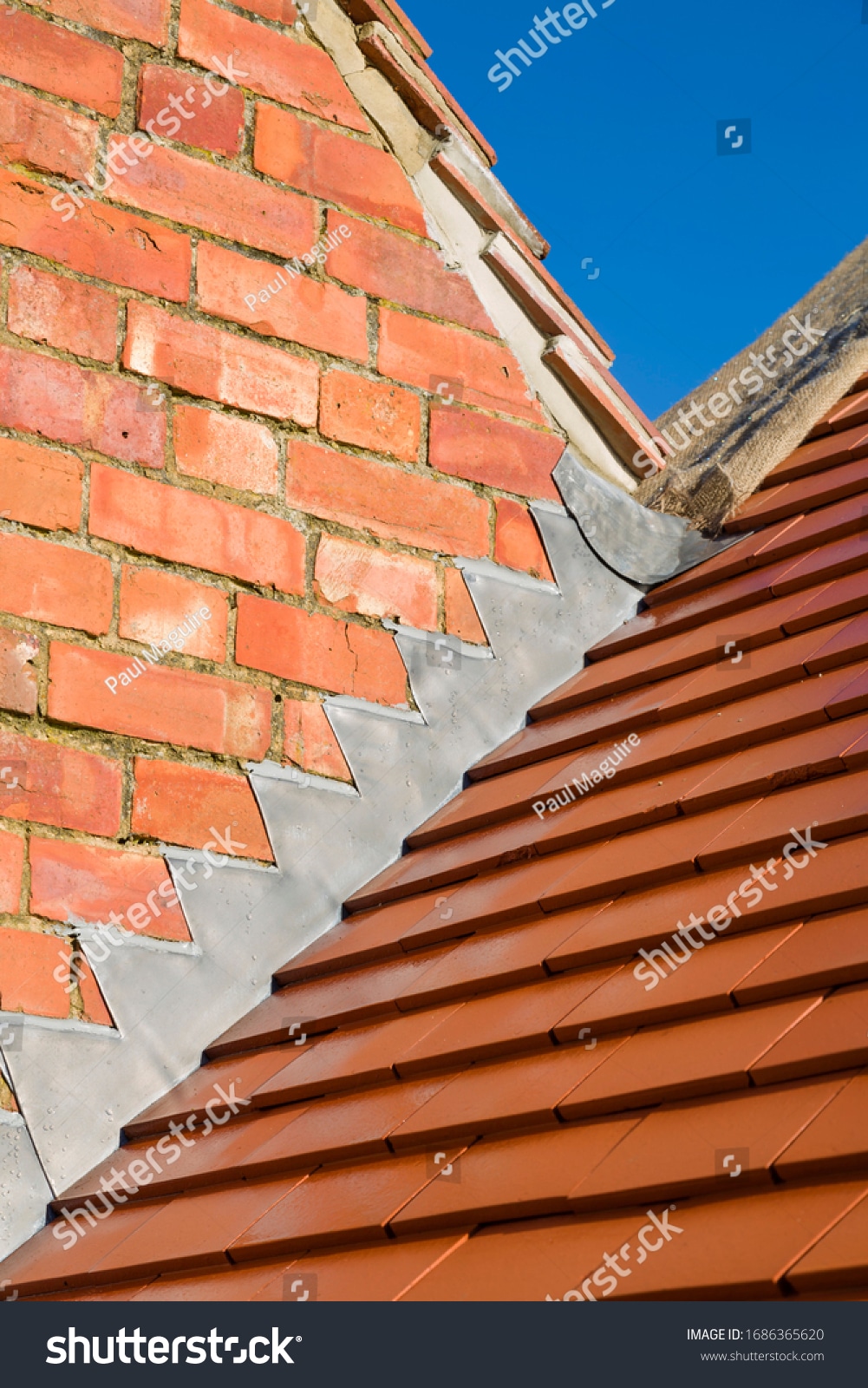
Flashing is the first line of defense against water intrusion at transition points. When flashing is poorly designed or improperly installed, it becomes one of the most common causes of roof leaks and moisture-related damage. Moisture intrusion can lead to premature roof degradation, costly repairs, and even early replacement, which leads to unnecessary debris being sent to landfills and increased life cycle costs. Advanced roof-to-wall flashing systems, such as step flashing, counterflashing, and liquid-applied membranes, can help create seamless transitions that prevent moisture from penetrating the building envelope.
Properly designed and installed flashing has many advantages, including reduced repair costs, minimized water damage, and extended service life for both roofing and adjacent wall systems.
Prefabricated flashing components are also available to streamline installation and reduce on-site waste. Regardless of method, it's critical to specify compatible materials (e.g., metals, membranes, and sealants) and detail terminations carefully to ensure cohesion across transition points.
Roof Edge and Parapet Transitions
The roof edge and parapet areas are vulnerable to wind uplift, UV exposure, and water infiltration, making careful detailing at these transitions essential. Raised parapets, coping caps, and metal flashings must integrate seamlessly with the roof membrane and wall cladding. Effective strategies include using continuous cleats and mechanically fastened terminations for metal flashings, installing backup membranes beneath coping caps, and integrating air barriers to ensure envelope continuity.
Properly executed transitions reduce material waste by minimizing wind damage risks, especially in high-exposure zones, and enhance long-term durability by resisting expansion and contraction stresses, particularly in freeze-thaw climates.
Air and Moisture Management
Airtight and moisture-resistant detailing is critical for creating energy-efficient building envelopes. Roof-to-wall transitions are frequent weak spots in the air barrier system. Detailing should address the overlap of different barrier systems (such as air and vapor barriers), consider the limitations of mechanical fastenings, and ensure effective coordination between trades involved in new construction—like roofing, masonry, and glazing.
One of the biggest advantages of proper air management is improved energy efficiency and lower life cycle costs. Air leakage can significantly increase utility and energy expenses over time. It can also introduce moisture into the building system, which can lead to mold growth, posing obvious health and environmental concerns.
Smart Drainage Design
Drainage is a critical but often misunderstood aspect of roof-to-wall detailing. "Smart drainage" refers to an integrated approach that promotes effective water removal while minimizing long-term maintenance. This involves techniques such as:
Tapered Insulation Systems
These not only provide thermal resistance but also create a positive slope toward drains. Tapered insulation helps ensure that water flows away from transition areas, reducing ponding and freeze-thaw damage.
Scuppers
Scuppers are drainage outlets set in parapet walls that allow water to exit the roof. When properly detailed with liners, gravel guards, and overflow provisions, they provide redundancy and prevent water backup during heavy rains.
Internal Drains and Crickets
Using crickets to direct water toward internal drains helps ensure more effective drainage in complex roof designs. Roof-to-wall junctures near mechanical equipment or skylights particularly benefit from these techniques.
Proper drainage offers several key benefits, including reduced repairs and maintenance by preventing water-related failures at joints and terminations. It also helps eliminate ponding and supports consistent insulation performance. By minimizing moisture exposure, efficient drainage lowers the risk of membrane degradation and extends the overall service life of the roof system.
Thermal Breaks and Continuous Insulation at Transition Points
Thermal breaks at roof-to-wall transitions are essential for minimizing thermal bridging and improving overall building performance. Thermal bridging, where heat flows through conductive materials like steel studs or concrete, can significantly reduce the effectiveness of even high-R-value insulation systems, leading to energy loss and higher utility costs. By interrupting this heat flow, thermal breaks help maintain consistent insulation performance and reduce heating and cooling demands.
Benefits include lower energy costs, improved envelope R-values through continuous insulation, and easier compliance with energy codes. In some cases, thermal optimization can also contribute to LEED certification or qualify for tax credits. Additionally, better thermal continuity means fewer materials may be needed to meet performance targets.
Integrated Detailing for Streamlined Installation
Strategic roof-to-wall detailing should not be an afterthought. It must be integrated early in the design and communicated clearly during the roof installation. Coordination between different stakeholders is essential to avoid field modifications that lead to inefficiencies and material waste. Adhering to the manufacturer's specifications and inspections is important for optimal installation of the details. When possible, using prefabricated or preassembled flashing components can streamline the process.
Strategic design through thoughtful flashing, smart drainage systems, moisture and air management, and thermal continuity not only improves performance but can also reduce long-term costs and the environmental impact.
